Balan: The Boy: How a Movie Set Became a Real Bus Stop in Wayanad
Film sets are usually temporary.
A house is built for a scene. A shop is constructed for a few shots. A street is transformed for the camera. And once filming is over, most of those structures disappear.
But what happened during the making of Balan: The Boy was different.
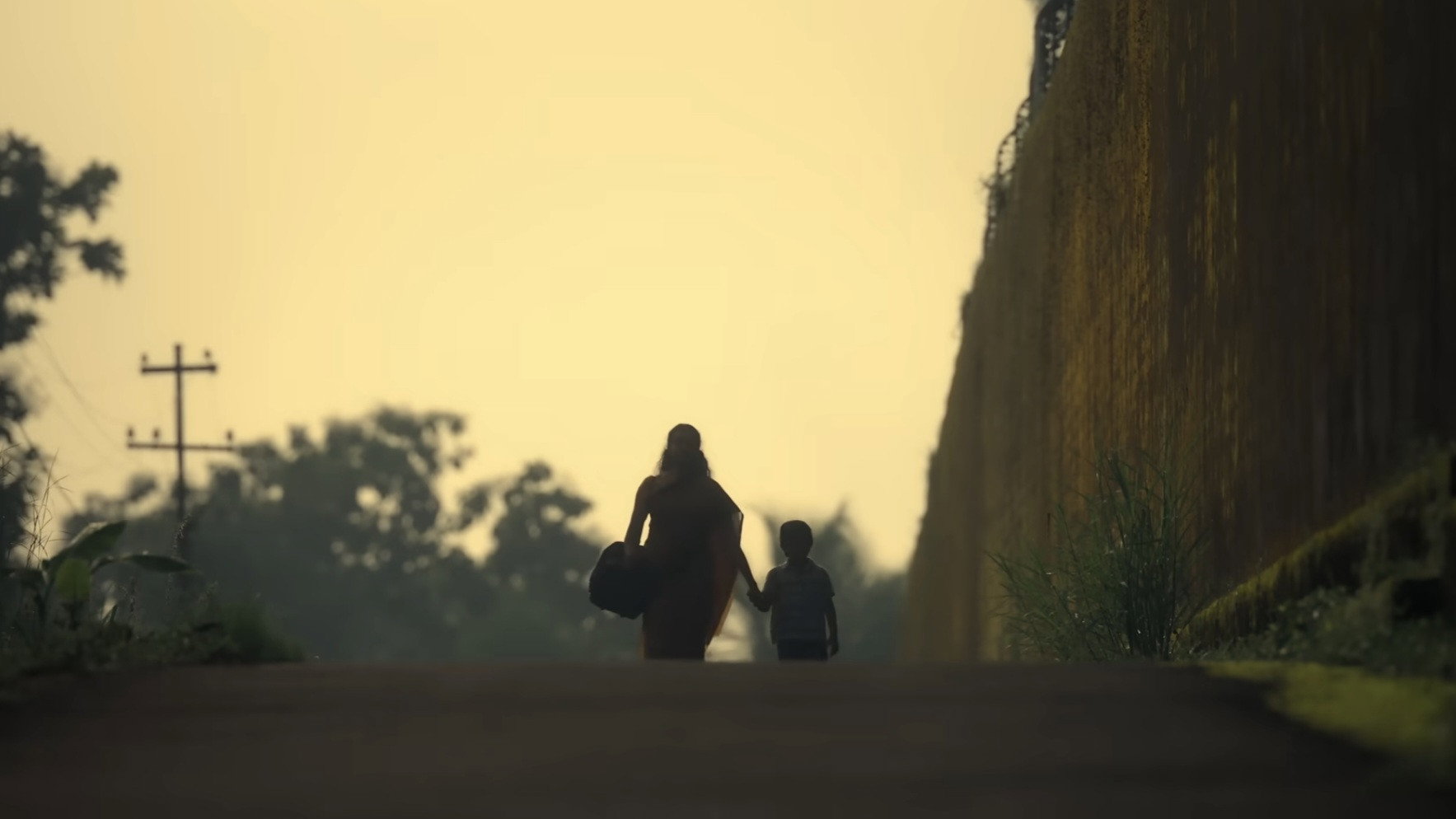
In Kunduvadi, a tribal hamlet near Chekadi in Wayanad, the production team built a bus stop for the film. It was designed as part of the movie's world, where the young protagonist waits for his mother.
When filming ended, the structure was supposed to go too.
The villagers had another idea.
"Can You Leave the Bus Stop Here?"
According to reports in The New Indian Express, the old bus shelter in the area had fallen into disrepair. Children and residents were often left waiting by the roadside in rain and strong sunlight.
During the production of Balan: The Boy, the filmmakers constructed a new shelter. It was created by the production design team headed by art director Ajayan Chalissery.
The structure wasn't originally meant to become a permanent public facility.
But after seeing the finished bus stop, local residents asked the film team to leave it behind.
The villagers told the team that children could use the shelter while waiting for buses. The production team agreed to leave the structure in place after the shoot.
The Film Crew Had Seen the Problem First-Hand
What makes the story more interesting is that the decision wasn't simply an act of leaving behind a decorative movie prop.
Art director Ajayan Chalissery later recalled that when the team first reached the location, they saw children sitting on wooden logs beside the road while waiting for buses.
That image stayed with the team.
Once the bus stop was completed, local children and residents began using it even while the movie was being shot.
After production ended, the residents requested that it remain there.
The team agreed, with the understanding that the villagers would take responsibility for maintaining it.
From Film Set to Everyday Infrastructure
The difference was immediately visible.
Instead of schoolchildren standing in the open, there was now a covered space with seating. Residents could wait for buses without standing directly in the rain or sun.
For the people living around Kunduvadi, the structure wasn't really a piece of cinema.
It was simply a bus stop.
And that distinction matters.
Movie audiences may remember the location because they saw it on screen. For the local community, its value was much more ordinary — and much more important.

Then the Movie Became a Hit
Balan: The Boy was directed by Chidambaram, following his hugely successful debut Manjummel Boys.
The screenplay was written by Jithu Madhavan, while the technical team included cinematographer Shyju Khalid, editor Vivek Harshan, composer Sushin Shyam and production designer Ajayan Chalissery.
The film was released worldwide on June 19, 2026 in Malayalam, Hindi, Tamil, Telugu and Kannada.
It also received international exposure through a screening at the Marché du Film at Cannes 2026.
The Bus Stop Became a Movie Landmark
After the film reached theatres, something nobody involved in the original construction could have planned happened.
People began travelling to Kunduvadi and nearby Chekadi to see locations from the film.
Social-media creators and YouTubers started visiting the area, photographing and filming themselves at the bus stop.
A structure originally created for a fictional story had become a real-world attraction.
For a remote village that previously received little attention, the movie suddenly put Kunduvadi on the map of cinema-location tourism.
But the Movie's Success Created an Unexpected Problem
This is where the story takes a surprising turn.
The popularity of the location also brought concerns from the forest authorities.
Kunduvadi is located in an ecologically sensitive forest region. According to The New Indian Express, visitors were entering protected forest areas without prior permission while trying to explore locations associated with the movie.
That raised concerns about wildlife disturbance and increased human activity in the area.
The Forest Department Considered Removing It
In a report published on June 27, 2026, The New Indian Express reported that the forest department was considering whether the structure could remain.
The issue was not simply the bus stop itself. The structure was on forest land, and its sudden popularity was attracting visitors to a sensitive area.
South Wayanad DFO Ashiq Ali told the publication that the department would discuss the issue with local residents and consider retaining the structure if a way could be found to control the visitor influx.
Otherwise, demolition remained a possibility.
The situation created a strange irony:
Then the success of that story created enough public attention to put the structure itself under scrutiny.
Why the Makers Didn't Simply Remove It
From a production perspective, dismantling a temporary set after filming is completely normal.
In fact, Chalissery explained that the crew knew the forest location came with rules requiring them to restore the site after filming.
The villagers' request changed the situation.
The production team agreed to leave the bus stop after discussing maintenance with the residents.
Chalissery said good-quality materials had been used, although the structure was not originally designed as a permanent building.
A Movie Location With a Real Purpose
There is something particularly interesting about this story because it reverses the usual relationship between cinema and a location.
Usually, filmmakers borrow a real place to create a fictional world.
Here, filmmakers created a fictional object that ended up becoming part of real life.
The bus stop was built because the screenplay needed it.
It remained because the villagers needed it.
And That Makes the Bus Stop More Than a Film Prop
In Balan: The Boy, the bus stop has an important connection to the film's story and the boy's journey.
Outside the movie, however, it became connected to another kind of journey — the everyday journey of schoolchildren and residents waiting for buses.
That is perhaps the most unusual behind-the-scenes story attached to the film.
Most production design disappears after the final cut.
This one didn't.
Watch the Official Trailer
The official trailer was released by KVN Productions in June 2026 and introduces the film's mysterious mother-and-son story.
What Happened to the Bus Stop?
The latest widely reported development I could verify concerns the forest department's June 2026 review and the proposal to find a way to control the influx of visitors while potentially allowing the bus stop to remain.
I could not verify a later reliable report confirming the final long-term decision on the structure. So it would be misleading to say that the bus stop was definitely demolished or permanently approved without stronger evidence.
What is documented is enough to make the story remarkable: a temporary cinema set became a functioning shelter for a remote community and then unexpectedly became a point of discussion about tourism, forest protection and responsible access.
The Strange Life of a Movie Set
Cinema often leaves behind posters, memories, songs and iconic characters.
Balan: The Boy left behind something much more physical.
A bus stop.
It was built for a fictional world, requested by real people, used by real children, discovered by movie fans and eventually caught between the popularity of cinema and the responsibility of protecting a sensitive forest environment.
Sources & Further Reading
- The New Indian Express — Balan movie set repurposed for residents in Chekadi
- The New Indian Express — Balan bus stop faces forest department action
- Samakalika Malayalam — The Balan bus stop gifted to Kunduvadi
- Manorama Online — Kunduvadi gains attention after Balan
- India Live — Director Chidambaram on Balan and its locations
- Cinema Express — Balan: The Boy release and crew details
- KVN Productions — Balan: The Boy Official Trailer
- ZEE5 — Balan: The Boy Official Trailer
This article focuses on verified reports about the film's production location and the subsequent use of the bus stop. The status of the structure after the forest department's June 2026 review has not been stated as fact because a later reliable confirmation could not be verified.